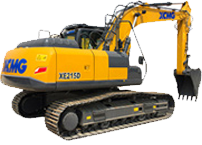
Key Parts of an Excavator
Publication Date: 2026-03-10

Boom
The boom is the long, hydraulic arm extending from the excavator's body. It provides the reach needed to dig
deep or high. The boom is powered by hydraulic cylinders that control its movement.
Arm(Stick)
The arm connects to the boom and extends the reach of the excavator. It allows precise control of the bucket's
position, making it essential for digging and lifting at various angles and depths.
Bucket
The bucket is the primary tool for digging, scooping, and carrying materials. It comes in different types, such asgeneral-purpose or heavy-duty, for specific tasks like trenching or lifting heavy materials.
Hydraulic Cylinders
Hydraulic cylinders are responsible for moving the boom, arm, and bucket. These cylinders use hydraulic fluid togenerate the force required for precise movement, making the excavator highly versatile.
Track
The tracks are either rubber or metal, depending on the terrain. Rubber tracks are for softer ground, while
metal tracks provide better durability and traction on rocky surfaces.
Cab
The cab is where the operator controls the excavator. In houses all the controls (joysticks, buttons, etc.) and offers safety features like seat belts and air conditioning for operator comfort.
Engine
The engine powers the excavator, typically a diesel engine, which drives the hydraulic system and tracks. The
engine's size varies based on the machine's intended use.
Counterweight
The counterweight is located at the rear of the excavator, balancing the machine when lifting heaw loads. Itprevents tipping and ensures stability, especially when the bucket is extended or the machine is on unevenground.
Conclusion
These key components-boom, arm, bucket, hydraulic cylinders, undercarriage, tracks, cab, engine, swing gear,and counterweight-work together to make excavators highly efficient for various tasks in construction andmining. Each part is crucial for the machine's performance, safety, and versatility.